

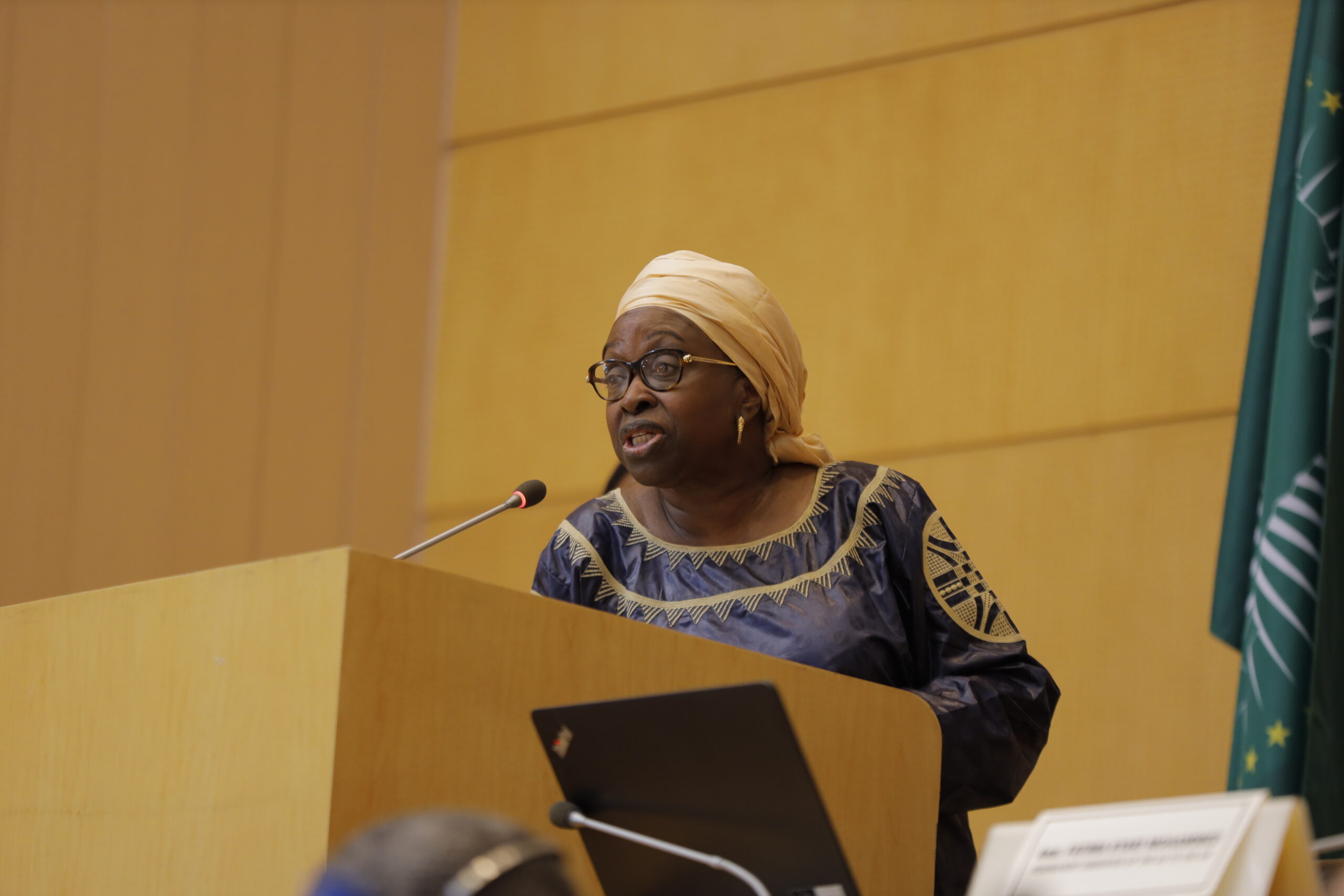
Let start by thanking the Nobel Women’s initiative for organizing this important webniar, to raise the voice on the situation in DRC. I also want to recognise the efforts of the Congolese women and their resilience, including those of my sister Julliene Lusenge who have tirelessly fought for women’s right, peace and security in Eastern Congo. I want to assure you of my continued engagement and advocacy including through my last field mission in August 2023. After which, I have met with relevant leaders in the region and of whom I continue to engage with.
1. Escalating Violence and recent attacks in Eastern DRC and it’s meaning for the greater region Indeed, the situation in Eastern DRC, is catastrophic and very concerning, the increased attacks on civilians, the forced displacement of over 1 million people in less than six months, reduction of humanitarian space and heightened rape of women and girls has led to the deterioration of the human security of the Congolese people, especially the conditions of women and children. The crisis has far reached impacts beyond the borders of DRC, affecting neighbouring countries’ security, humanitarian efforts (influx of refugees), and diplomatic relations. And, consequently we need a regionalised approach towards permanent solutions to this long-standing crisis. 2. Urgent Humanitarian Needs and Challenges that need to be emphasized; As one of the most complex and prolonged humanitarian crises globally, the needs are deep. The situation is made complex by the return of armed groups. Consequently, we urgently need measures to: - Enhance provision of basic supplies to displaced and conflict affected populations by ensuring safe and unconditional access of humanitarian assistance as well as protection of civilian installations (hospitals, schools and camps) from attacks. - Ensure Humanitarian assistance that promotes live long resilience, including support to livelihoods, psychosocial support, return to school for school going children and rapid response to victims of sexual and gender-based violence among others. 3. Needed Security and Protection Approaches, including evaluation of previous Peace Operations & needed amendments. This also includes a take on the African Unions role and responsibility The AU has remained seized on the situation in DRC and has sought solutions through various initiatives including: - Peace, Security, and Cooperation Framework: Signed in 2013, with involvement of 13 countries and four guarantor institutions. It aims to stabilize the DRC and the Great Lakes region - Nairobi Process: which utilises both military and diplomatic efforts. - The Luanda Process: Led by Angola’s President João Lourenço, It focuses on stabilizing the region. - Diplomatic engagement: Facilitating dialogue between countries to reduce tensions and enhance security coordination. - As the AU Special envoy, I conducted solidarity mission in August 2023 and I have met with regional leaders in Burundi, Kenya, Angola and Rwanda to advocate for peace in the region. 4. Needed Action by the International Community, Regional Stakeholders, Humanitarian Actors, and others. A comprehensive response to the DRC crisis requires a combination of military and non-military strategies, emphasizing civilian protection and addressing underlying issues. This can be achieved by - Ensuring Community Engagement by involving civilians and civil society leaders, especially women groups in search of lasting peace. - Promoting Political Solutions: by addressing governance deficiencies and addressing the root causes of conflict. - Supporting diplomatic efforts to restore confidence and restore diplomatic relations among the neighbouring countries - Prioritise humanitarian aid - Ensure women leadership in all efforts for search of a lasting solution in DRC. Thank you for your attention.